Optimal Seasons for Concrete Leveling
Concrete levelings are most effective when performed during specific weather conditions. Proper timing ensures optimal results and durability of the repair.
Spring and early fall are ideal due to moderate temperatures and lower precipitation, which facilitate proper curing.
Temperatures between 50°F and 85°F support effective leveling. Extreme cold or heat can hinder the process.
Dry weather with minimal rain is preferred to prevent delays and ensure the material sets correctly.
Scheduling during stable weather conditions helps achieve a smooth, long-lasting surface.
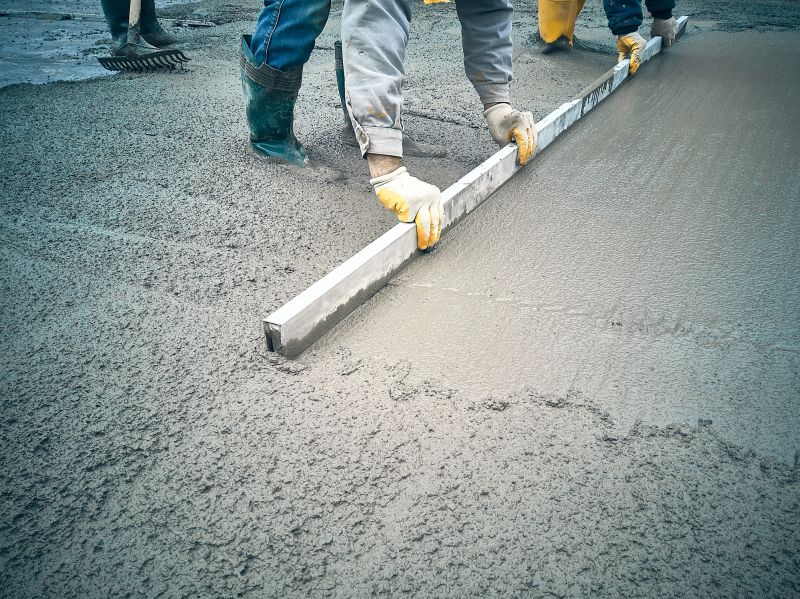
Spring offers moderate temperatures ideal for concrete leveling projects.
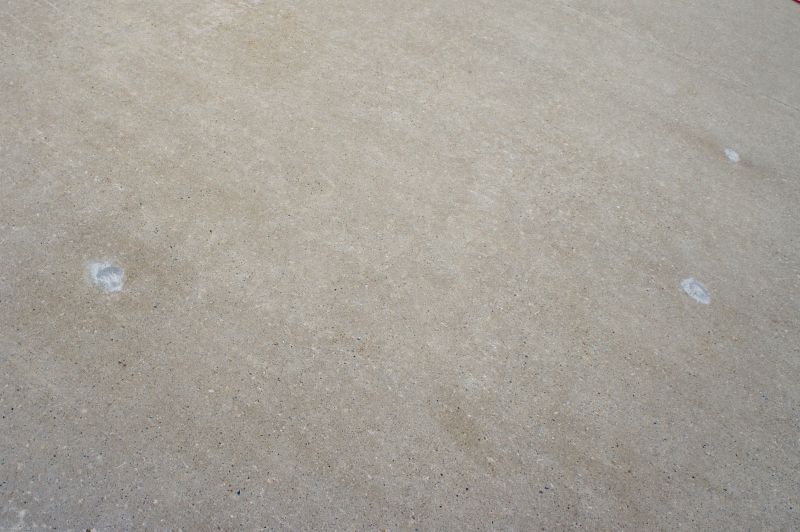
High temperatures and dry conditions can affect curing, making summer less suitable.

Early fall provides cool, dry conditions suitable for effective concrete leveling.
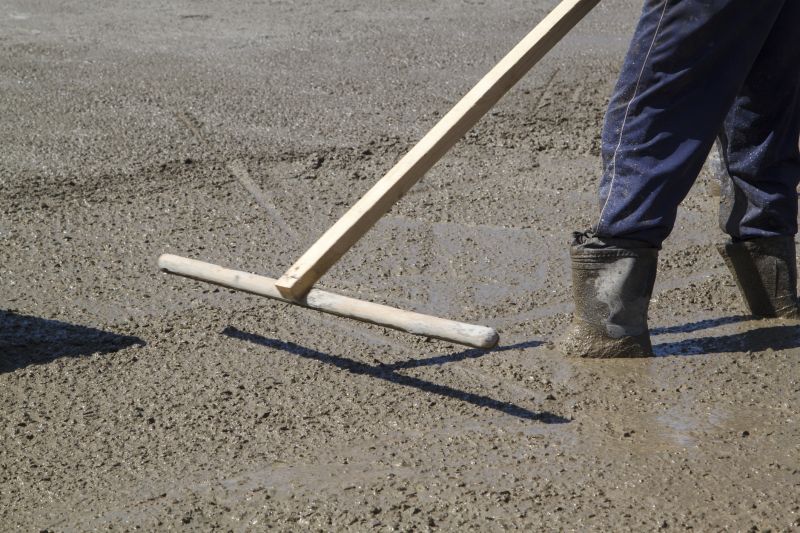
Cold temperatures and potential frost make winter an unsuitable time for leveling.
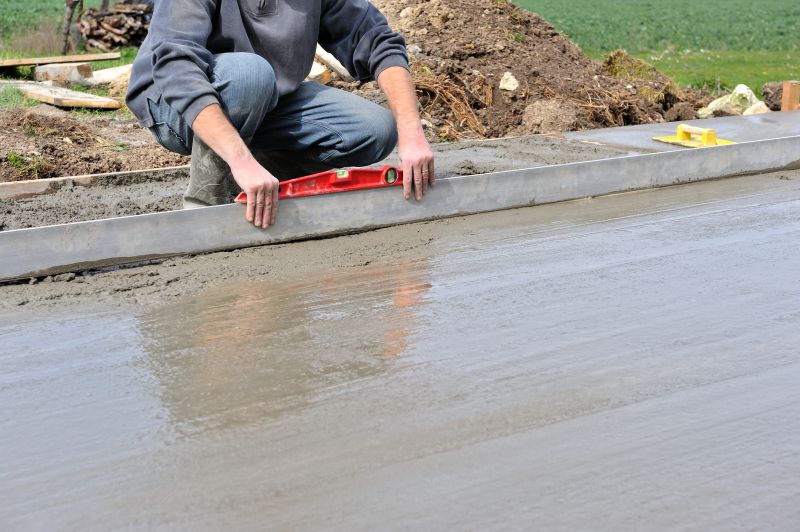
Maintaining temperatures between 50°F and 85°F supports optimal curing and adhesion.
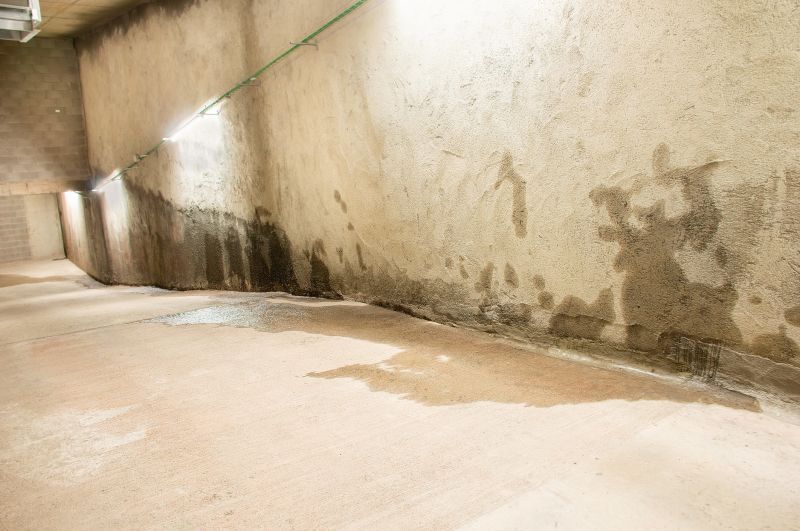
High humidity and rain can delay curing and impact the quality of the leveling.
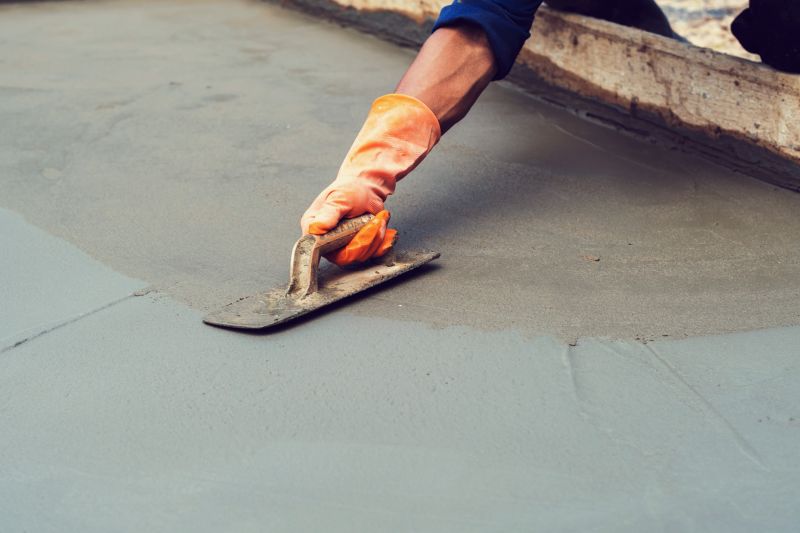
Monitoring weather forecasts helps plan concrete leveling during suitable windows.
Ensuring dry conditions and moderate temperatures before starting enhances results.
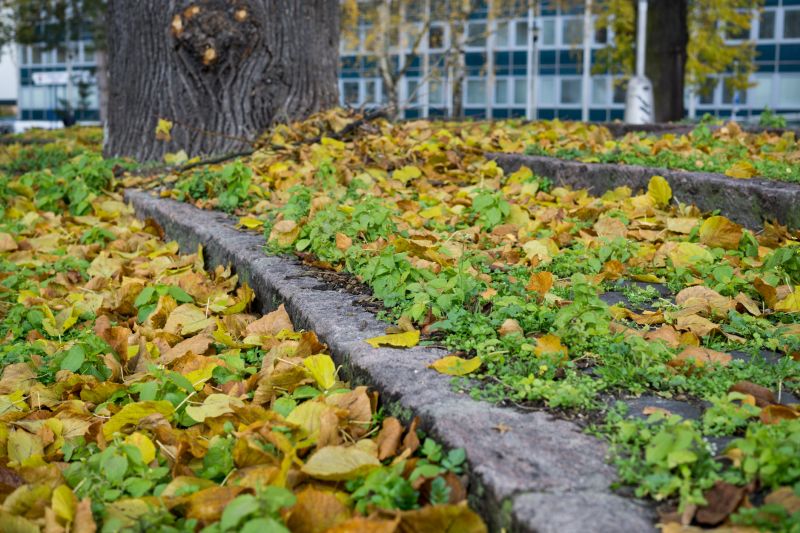
Late fall can be suitable if weather remains stable and temperatures stay within recommended ranges.
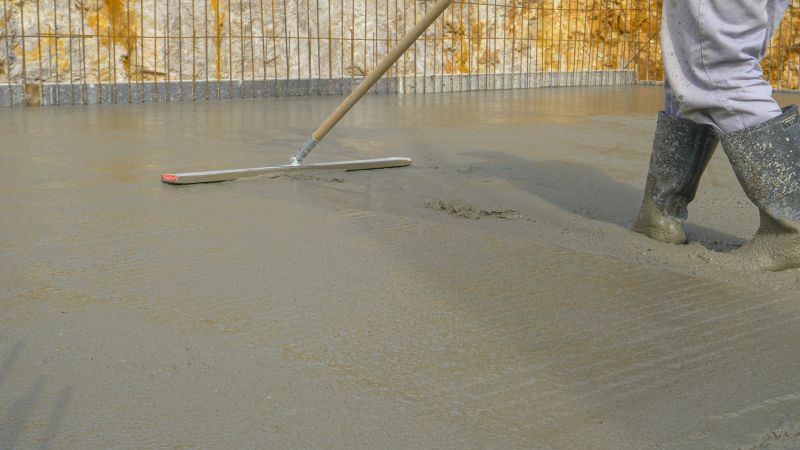
Allow sufficient time for curing after weather events like rain or temperature drops.
| Season | Weather Conditions |
|---|---|
| Spring | Moderate temperatures, lower precipitation |
| Summer | High temperatures, potential for drought conditions |
| Fall | Cool, dry weather ideal for leveling |
| Winter | Cold temperatures, frost risk |
| Late Fall | Suitable if weather remains stable |
Concrete levelings are a practical solution for correcting uneven surfaces caused by ground settling, frost heave, or other structural shifts. This process involves raising and leveling the concrete surface to restore its functionality and appearance. Proper timing ensures the material sets correctly and maintains its integrity over time.
Statistics indicate that scheduling concrete levelings during optimal weather conditions results in longer-lasting repairs, reducing the need for frequent follow-up work. The success of the process heavily depends on temperature, humidity, and dryness at the time of application, making seasonal planning crucial.
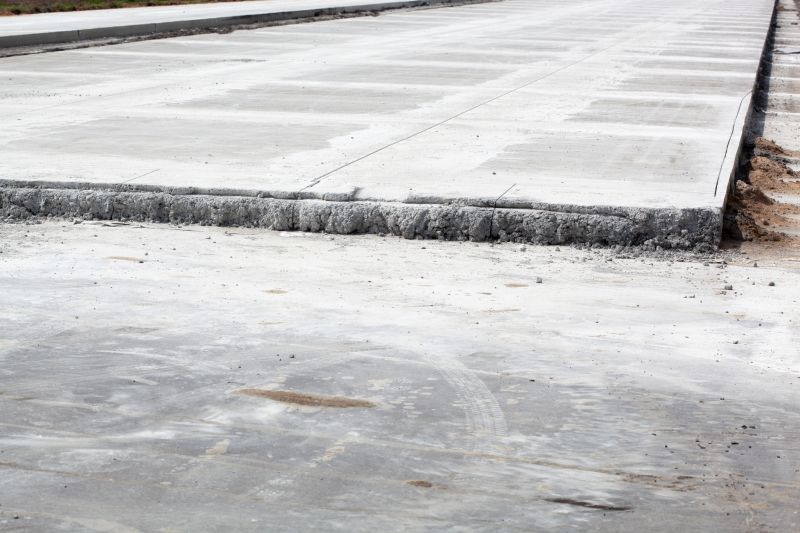
A step-by-step approach ensures proper surface correction and durability.
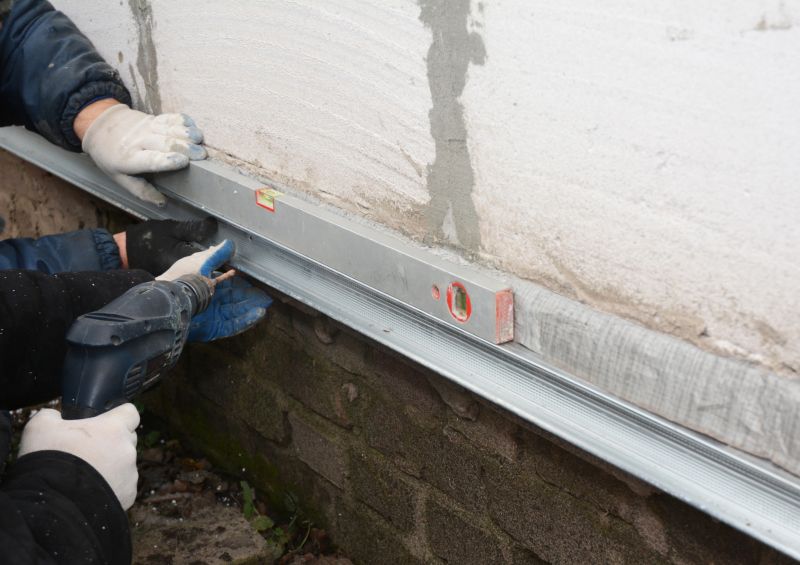
Specialized equipment helps achieve precise and even results.
Visual comparison highlights the effectiveness of proper timing.
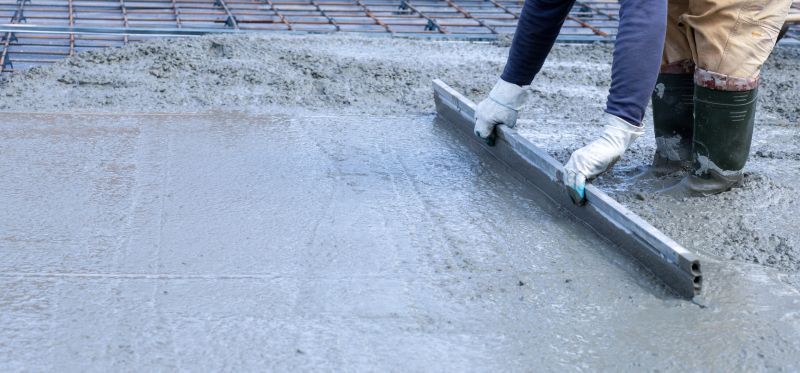
Keeping track of weather forecasts is essential for scheduling.

Ways to make Concrete Levelings work in tight or awkward layouts.
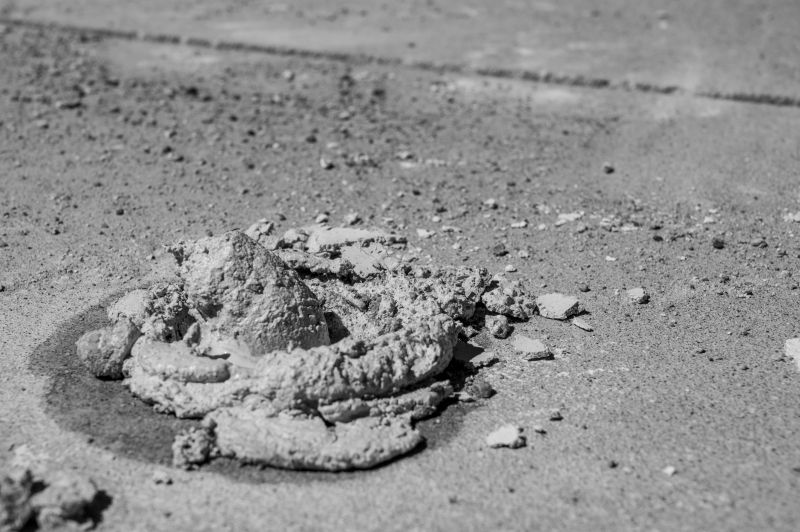
Popular materials for Concrete Levelings and why they hold up over time.
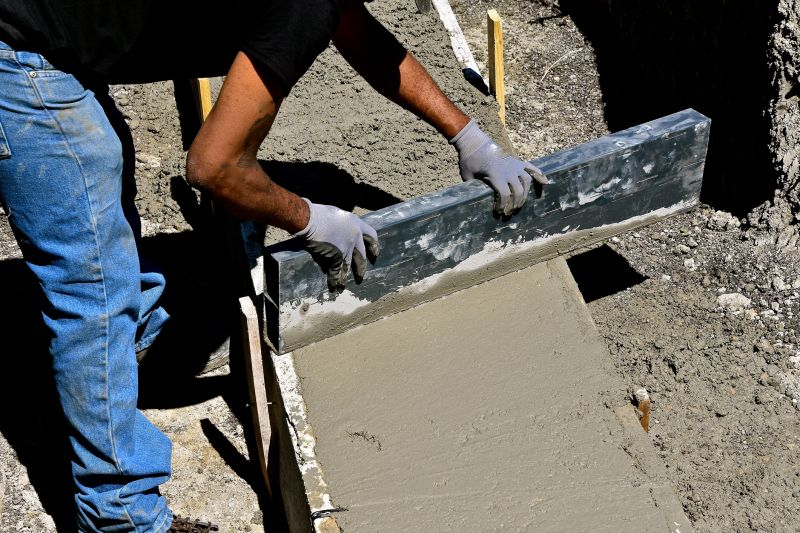
Simple add-ons that improve Concrete Levelings without blowing the budget.
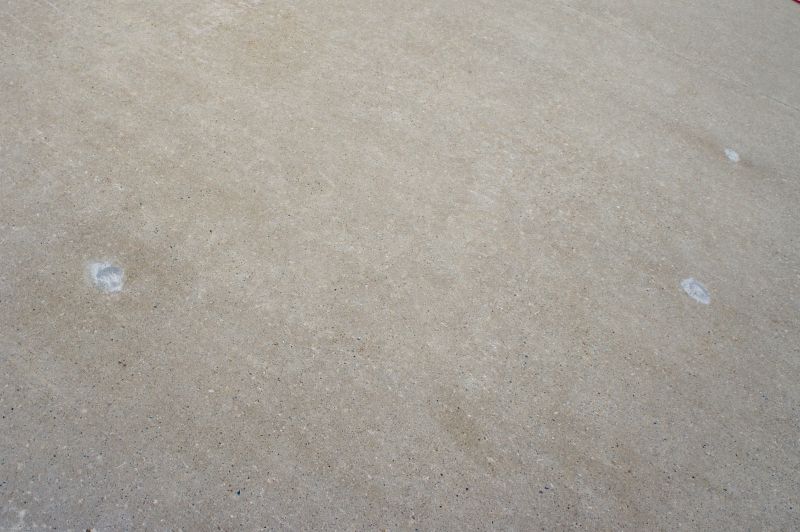
High-end options that actually feel worth it for Concrete Levelings.
Interested in scheduling concrete levelings at the optimal time? Filling out the contact form can provide guidance tailored to specific project needs and local weather conditions in Marysville, OH.